
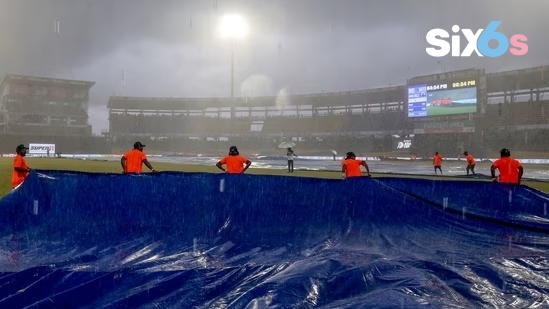
Cricket fans, brace yourselves for a scenario that can send shivers down the spines of the most ardent supporters—a string of rain-drenched days threatening to wash out the remaining Super Four matches. What happens when Mother Nature plays spoilsport, and the cricketing world is left with more questions than answers? In this article, we explore the intriguing possibility of the Super Four matches, particularly the clash between India and Sri Lanka, being interrupted by rain and its potential implications on the tournament.
Introduction
Cricket is a game that is rife with unpredictability, from the nail-biting last-over finishes to the heartbreaking rain delays that leave spectators despondent. The pinnacle of competitiveness in cricket is the Super Four series, where the top teams from Asia square off in a ferocious struggle for supremacy. The unpredictability of the weather, though, is one unpredictable aspect that might disturb this balance.
The Unpredictable Nature of Weather: A Threat to Super Four Matches
The Super Four matches are keenly anticipated by cricket fans around the world who are anxious to see their favorite teams in action. Fans are getting ready for violent field battles as excitement grows. However, the weather may be a ruthless and erratic foe, able to change the outcome of contests and dash hopes.
Rain’s Disruptive Influence on Cricket
Rain has long been the bane of cricket, particularly in regions where wet weather is a frequent visitor. Matches can be delayed, shortened, or, in the worst-case scenario, abandoned altogether due to rain. This not only disappoints fans but also poses a significant challenge to teams and organizers.
The Consequences of Washed-Out Matches
Rain interruptions can have far-reaching consequences in cricket tournaments. When it comes to the Super Four matches, these consequences become even more pronounced, as the stakes are high, and every point matters.
1. Points Allocation Dilemma
Points are valuable in a competition like the Super Four, when teams compete aggressively for a place in the knockout stages. It’s common for teams and organizers to struggle with point distribution if a match is canceled. A no-result may result in each team receiving one point, depending on the tournament rules, which can have a big impact on the rankings and the team’s ability to advance to the next round.
2. Impact on Net Run Rate
Net run rate is a crucial tiebreaker in cricket tournaments, especially when teams have the same number of points. A washout can affect a team’s net run rate, potentially placing them at a disadvantage in case of tiebreakers. Teams that win matches outright gain an advantage in this regard, which is lost when a match is abandoned due to rain.
3. Psychological Impact
Rain delays can affect teams significantly psychologically in addition to the technical effects. In cricket, momentum is crucial, and a lull in play can throw off a team’s rhythm and concentration. In order to account for the uncertainty brought on by weather disturbances, management and players must reevaluate their strategy.
Hope Amidst the Rain Clouds: Reserve Days and DLS Method
Cricket authorities have recognized the need to address rain interruptions, leading to the introduction of various measures to salvage matches.
Reserve Days
In some competitions, reserve days are set aside to accommodate matches that might be postponed due to inclement weather. These days, even if it means lengthening the tournament, offer a safety net to guarantee that important matches are completed. However, reserve days aren’t always possible, especially for competitions with tight schedules like the Super Four.
DLS Method
The Duckworth-Lewis-Stern (DLS) method is a mathematical formula used to adjust targets in rain-affected matches. While it doesn’t prevent rain interruptions, it provides a fair method for recalculating targets based on the available overs and resources. The DLS method aims to minimize the impact of rain on match results.
Conclusion
As cricket fans, we eagerly await every match, hoping for exciting contests that showcase the talent and determination of our favorite teams. However, rain interruptions are a stark reminder of the unpredictability of the sport and the power of nature to influence outcomes.
While it is concerning that the Super Four matches, particularly India vs. Sri Lanka, could be postponed due to rain, cricket officials are making every effort to lessen the effects of the downpour. The DLS approach and reserve days are effective weapons in the fight against weather-related disruptions.
In the end, the love of cricket outweighs setbacks and delays caused by weather. Fans will still root for their teams, and athletes will adjust to Mother Nature’s challenges. Let’s hope for the best while realizing that cricket’s beauty rests in its capacity to survive, adapt, and shine even in the face of hardship as we anxiously anticipate the Super Four matchups. The spirit of cricket persists in all weather conditions.